Green Pest Control in Hamilton, ON
Reasons why Hamilton homes need eco-friendly pest control
Homeowners looking for pest control Hamilton help often want solutions that are efficient, but also safe for families, pets, and the environment. In Hamilton, Ontario, that balance counts even more because the city’s housing stock is so diverse. Historic downtown homes, newer suburban builds, and multi-unit properties all create different pest pressures, and they often require different strategies.
Green pest control focuses on reducing pest activity through prevention, ongoing checks, and carefully chosen treatments rather than relying only on broad chemical use. For many homes in Hamilton, this approach is a better fit because it supports sustainable pest management while protecting indoor air quality and limiting unnecessary exposure. It is especially useful in houses with children, pets, or residents who prefer low-toxicity pest control methods whenever possible.
Hamilton’s urban pest pressure is shaped by density, food access, older structures, and the city’s proximity to green spaces and waterways. That means everyday household pests can move between buildings, basements, sheds, and neighbouring properties with ease. In neighbourhoods like central Hamilton and Stoney Creek, pest activity can be influenced by shared walls, alleyways, aging utility access points, and hidden nesting areas.
Environmentally responsible service is not about ignoring serious infestations. It is about using a more thoughtful, more sustainability-minded strategy that starts with inspection, identifies the source of the problem, and targets the root cause instead of just the visible symptoms.
Common pests in Hamilton and their spread patterns
Hamilton homeowners often face a few common invaders: ants, cockroaches, rodents, and bed bugs. Each type spreads differently, but all are strongly tied to food, moisture, warmth, and shelter.
Ants frequently come in from outside through tiny gaps around foundations, windows, and utility lines. Once inside, they follow scent trails to food sources in kitchens, pantries, and pet-feeding areas. If an ant colony is established near a home, a few visible ants can quickly become a larger issue without proper ant control.
Cockroaches are attracted by food residue, grease, moisture, and clutter. They spread through shared plumbing gaps, wall voids, and deliveries, making them especially troublesome in multi-unit buildings and older housing. Effective cockroach control depends on sanitation, monitoring, and careful treatments.
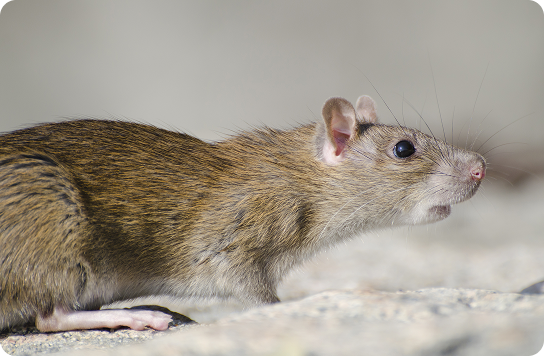
Rodents such as mice and rats can enter through very small openings, especially where there are damaged vents, gaps in siding, or unsealed service penetrations. They nest in insulated walls, attics, and basement spaces, often near food, water, or hidden storage. Strong rodent control requires exclusion, sanitation, and regular follow-up.
Bed bugs spread differently because they travel with people, luggage, furniture, and second-hand items. Apartment living, frequent turnover, and shared walls can increase the likelihood of spread. Successful bed bug treatment usually requires careful inspection, targeted action, and persistence because these pests hide in cracks, seams, and other tight spaces.
Other nuisance pests matter too. Wasp removal may be needed in late summer when nests become more active around eaves, decks, and sheds. Spider control is often more about reducing their prey insects and limiting access than chasing every spider indoors. And in some Hamilton properties, urban wildlife such as raccoons, squirrels, or skunks can create damage that indirectly opens the door to insect and rodent problems.
Natural & low-toxicity solutions
One of the most effective green method is usually integrated pest management (IPM). This model includes assessment, pest recognition, sanitation, blocking access, watching, and then only intervention. IPM is not a single product; it is a decision-making process that minimizes pest activity with the smallest possible disturbance.
For most homes, chemical-free treatments are the first defense. These may include direct removal, vacuuming up pests, capture devices, thermal solutions for certain pests, and better cleaning habits. They are often pet-friendly, odourless, and appropriate for properties where occupants want a safer, lower-impact method.
Blocking methods are one of the most vital parts of environmentally friendly pest control. This means shutting off gaps with filler, wire mesh, door seals, weatherstripping, and other materials that keep pests out. Blocked cracks around foundations, plumbing lines, and siding can greatly reduce pest access and improve durable protection.
Baiting systems are another frequent strategy when used properly. Unlike broad spraying, baits draw in pests to take in a treatment and return to their nests, helping reduce colony activity. When chosen carefully, bait stations can support precise application and lower overall pesticide exposure. Monitoring traps also help with observation and capture, especially for rodents and crawling insects.
When pesticides are needed, many professionals choose reduced-toxicity pesticides as part of a wider plan rather than as the only tool. The goal is not zero intervention at all costs; it is expert treatment that is smart, controlled, and appropriate to the infestation. In many cases, the most safe for households and pet-friendly result comes from combining preventive maintenance with selective intervention.
How environmentally friendly pest control works in condos, homes, and workplaces
Hamilton’s residential and commercial mix means pest control must be tailored to the setting. A approach that works for a detached home in Glenridge may not be enough for a busy storefront downtown, while a treatment suitable for a condo tower may differ from what’s needed in a century home or a basement apartment.
In multi-unit buildings and condos, shared walls, common hallways, laundry rooms, garbage areas, and plumbing chases can allow pests to move between units. That makes coordination crucial. One resident’s cleanliness helps, but it does not solve building-wide entry or harbourage problems on its own. Eco-friendly methods in these settings often focus on inspection, monitoring, sealing, sanitation, and building-specific communication.
Single-family homes usually allow for more direct control. In these properties, a technician can often identify the main pest pathways, recommend moisture control improvements, and use exclusion to address the source of the problem. Basements, crawlspaces, attics, and utility rooms are commonly checked because they often contain hidden entry points and conditions that support pest activity.
Commercial pest control requires another layer of care. Restaurants, offices, retail stores, warehouses, and property-management sites must protect customers, workers, and inventory while minimizing disruption. Eco-friendly service in commercial spaces often emphasizes scheduling flexibility, discreet monitoring, sanitation standards, and recurring inspections.
In every setting, the core idea is the same: find where pests are entering, what is attracting them, and how to reduce the conditions that support them. That is the heart of integrated pest management (IPM), and it works well across Hamilton’s varied property types.
What to anticipate from a Hamilton pest inspection
A careful pest inspection is the starting point for successful eco-friendly pest control. It should go past the obvious signs and inspect conditions that help pests survive. A good inspection usually includes inside and outside inspections, inspection of possible routes, and talk about any recent pest sightings or damage.
Technicians often focus on entry points such as foundation gaps, utility penetrations, damaged vents, loose siding, door thresholds, and attic access points. In Hamilton, older homes may have higher exposure because small openings can develop over time around brickwork, masonry, and aging materials. Newer homes can still have risk where construction gaps or utility lines are not fully sealed.
Moisture issues are a major part of the inspection. Damp basements, condensation around pipes, leaking fixtures, and poor ventilation can invite cockroaches, ants, and rodents. Since many Hamilton homes have basements and below-grade spaces, moisture control is often as important as any treatment product.
Sanitation is also reviewed carefully. That includes food storage, pet food bowls, grease buildup, trash handling, and clutter that may conceal pests or create nesting opportunities. Good sanitation removes food sources and makes the environment less welcoming.
After the inspection, homeowners should receive a detailed summary of the infestation levels, active areas, likely nesting or feeding zones, and the recommended next steps. The best reports explain what was found, why it matters, and how to reduce residual risk through ongoing prevention.
Stopping pests in Hamilton’s climate and seasons
Hamilton’s climate has a strong effect on pest patterns. Summer humidity can boost insect activity, support breeding, and create extra moisture in basements and crawlspaces. At the same time, Freezing winters drive pests indoors as they search for shelter, shelter, and stable food access.
This is why seasonal protection is so important in Hamilton. In spring and summer, homeowners often see ants, wasps, spiders, and rising insect movement around windows and doors. In fall, rodents begin seeking entry as temperatures drop. Winter can bring rodent pressure, pantry https://oakville-onn2zqv822.urbanvellum.com/posts/what-is-the-least-risky-pest-control-for-homes-and-animals-in-hamilton pests, and cockroaches taking advantage of warm indoor conditions.
Prevention should start with the building shell. Check for foundation gaps, cracked mortar, shifting trim, damaged weather seals, and loose vent covers. The more secure the structure is, the less likely pests are to enter. For older properties near central Hamilton, this kind of maintenance is especially important because age-related wear can create hidden paths that are easy for pests to use.
Inside the home, reduce clutter, store food in sealed containers, clean up spills quickly, and keep garbage areas tidy. In basements and utility rooms, watch for leaks and damp cardboard, which can attract insects and rodents. This kind of preventive maintenance is simple, but it can drastically lower pest pressure over time.
Homes in areas like Stoney Creek may face different surroundings than central neighbourhoods, but the basics remain the same: control humidity, seal gaps, and keep conditions less favourable for nesting and feeding. That combination supports non-invasive prevention and helps maintain long-term protection.
Choosing a local pest control company in Hamilton
When comparing providers for pest control Hamilton residents should look for more than a brief spray-and-go method. A solid local company should provide licensed technicians, clear communication, and eco-conscious services that are adapted to Hamilton properties.
Local expertise counts because pest patterns change from one city to another, and even from one neighbourhood to the next. A technician familiar with Hamilton, Ontario will recognize how older downtown housing, suburban developments, and multi-unit properties affect pest pathways and treatment needs. They should also be aware of how local weather, basement design, and shared walls influence pest movement.
A reputable company should explain the inspection process, identify the root cause, and recommend practical steps such as exclusion, sanitation improvements, moisture fixes, and monitoring. Ask whether they use integrated pest management (IPM), whether their methods are safe for families and pet-friendly, and how they handle follow-up after the first visit.
Follow-up service is especially important because many pest problems do not go away after one treatment. Monitoring traps, checking bait stations, and re-inspecting affected areas help ensure the plan is working. The best providers approach pest control as an ongoing process, not a one-time event.
If a company can explain how it handles baiting systems, traps, sealed cracks, and preventive maintenance, that is usually a positive sign. It shows they are thinking beyond the immediate complaint and focusing on actual problem prevention.
When green methods might require extra support
Eco-friendly methods are highly effective in many cases, but some instances require more intensive intervention. Severe infestations can overwhelm basic prevention, especially if a nest has already become established inside the structure. In those cases, targeted treatments may be needed to get activity under control.
Recurring infestations are another warning sign that a deeper issue exists. If pests keep returning, there may be unresolved access points, hidden moisture, damaged materials, or nearby nesting sites that haven’t been addressed. The underlying problem could also involve urban wildlife damaging vents, soffits, or roofline areas, which then open up access for rodents or insects.
Sometimes structural repairs are required before pest pressure will truly decrease. That may mean repairing rotted wood, sealing utility openings, fixing drains, replacing damaged screens, or improving drainage around the foundation. Without those repairs, even the best treatment may only provide temporary relief.
In more difficult cases, a combination approach works best: non-toxic pest control where appropriate, strategic use of low-toxicity pesticides when necessary, and precise action aimed at the source. This is where a skilled professional can weigh risk and effectiveness, using professional treatment to protect the property while still keeping the plan as environmentally responsible as possible.
The goal is always the same: lower pest activity, prevent re-entry, and support healthier living conditions. For many Hamilton homes, that means a thoughtful mix of prevention, inspection, and carefully chosen treatment methods.
FAQ
Which is the most effective eco-friendly pest control in Hamilton?
The most effective eco-friendly pest control in Hamilton is usually integrated pest management (IPM) combined with exclusion, sanitation, monitoring, and targeted treatment when needed. This approach works well because it addresses the source of the problem rather than relying only on broad chemical applications. For many homes, it delivers excellent results and long-term protection.
Is eco-friendly pest control safe for children and animals?
Indeed, eco-friendly pest control is typically designed to be safe for families and pet-friendly when used correctly. Many services rely on non-toxic treatments, traps, baits, and exclusion methods first. If any product is needed, a trained technician should use a targeted application to reduce unnecessary exposure.
Mosquito Man Hamilton62 First Rd W, Hamilton, ON L8J 3R2, Canada
+1 289-408-9573
https://maps.app.goo.gl/47W3PJ15EnQopiUf6
https://sites.google.com/view/pest-control-hamilton-ontario/
43.1795221, -79.7846013
How often should Hamilton homes schedule pest inspections?
Most Hamilton homes can use at least one property inspection per year, with extra checks if there is a history of pests, damp basements, or structural vulnerabilities. Homes with recurring issues, older foundations, or shared walls may need inspections on a tighter schedule. Seasonal monitoring can also help detect problems early.
Can eco-friendly methods handle severe infestations?
Environmentally friendly methods can help with many infestations, but severe infestations may require extra support such as targeted treatments, structural repairs, or more intensive follow-up. The best plan depends on the pest type, the infestation levels, and how long the problem has been active. A professional assessment is the best way to decide.

What pests are most common in Hamilton, ON?
The most common pests in Hamilton, ON include ants, cockroaches, rodents, and bed bugs. Depending on the season and property type, homeowners may also need wasp removal or spider control. In some areas, urban wildlife can also contribute to access problems that lead to pest activity indoors.